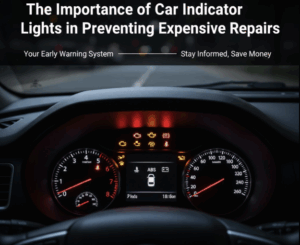
You are driving, music on, coffee in hand, and suddenly a light pops up on the dashboard. You look at it and think, “What does that even mean?” “Is that bad? Can I keep driving?” It is one of those moments where you are not sure if you should worry or just ignore it.
Those dashboard lights are very confusing, and let’s be honest, most of us don’t know what half of them mean. But they are not just there for decoration. They are your car’s way of saying, “Something is wrong.”
Car Dashboard Symbols & Warning Lights — What They Mean and What To Do
A dashboard warning light can be alarming but not every light indicates an emergency. This guide explains common dashboard symbols (oil, battery, ABS, engine, tire pressure), their seriousness, and the immediate steps you should take. If you’re in Lakewood and need a fast, professional diagnostic, Applewood Auto Care can help.

Let’s understand some of the most common dashboard symbols in simple words, which ones are safe and which ones need special attention.
Why These Lights Are Important?
As said above, your dashboard warning lights are like your car’s way of speaking to you. Just like we go to the doctor when we feel unwell, your vehicle uses these lights to tell you when something might need a check-up.
Ignoring them might look fine at first, but it can lead to bigger problems and bigger bills too. Learning to understand these signs means you can act early, drive safely, and avoid being struck on the side of the road.
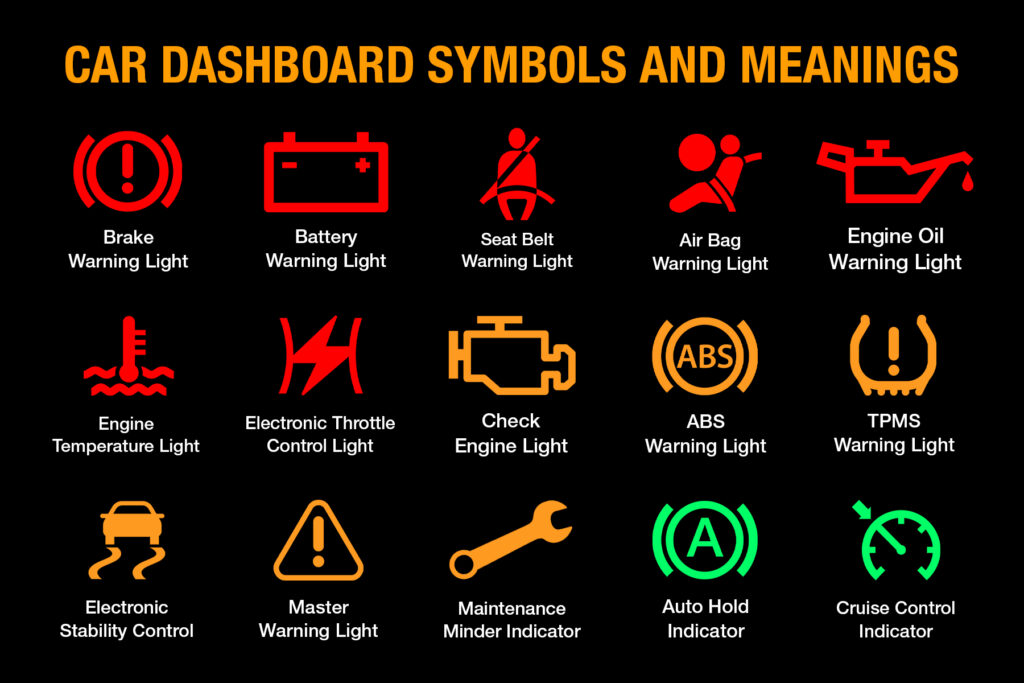

Source: Google
Dashboard Light Urgency Levels (Quick Summary)
- Red lights: Immediate attention required — stop safely.
- Amber/Yellow lights: Service soon — schedule a diagnostic.
- Green/Blue lights: Informational — system active/OK.
- Flashing lights: Often urgent; get inspected immediately.
Common Dashboard Warning Lights and What They Mean
Now let’s have a look at a few warning lights you might see and what they’re trying to tell you:
1. Check Engine Light (Usually Amber or Yellow)
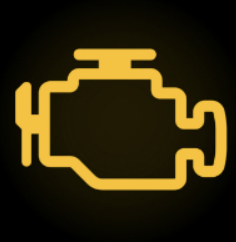

This light can mean different things. Sometimes it’s something small, like a loose petrol cap. Other times, it could be something more serious, like a problem with the engine. Either way, it is best not to ignore it. Take your car to auto repair experts and get it checked.
2. Battery Warning Light
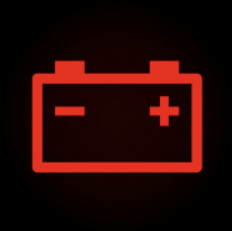

If this light comes on, it means your battery is not charging the right way. It might be a weak battery, a problem with the alternator, or old, rusty cables. Don’t wait too long, if the battery goes flat, your car might not start at all and you need an expert battery and electrical services.
3. Oil Pressure Warning Light
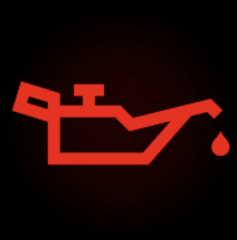

If you see a light that looks like a little oil can, it means your car might be low on oil or having trouble with oil pressure. This can cause serious damage if you keep driving. It’s a good idea to stop somewhere safe and check the oil. And if you are unsure, it’s best to get it checked by a mechanic.
4. Brake System Warning Light
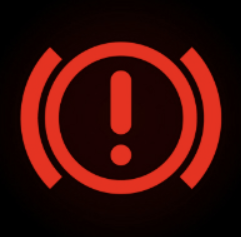

This light might mean your handbrake is still on, your brake fluid is low, or there is a problem with your brakes. If it stays on after you’ve taken the handbrake off, don’t take any chances, get your brakes checked by professionals.
5. Coolant Temperature Warning Light
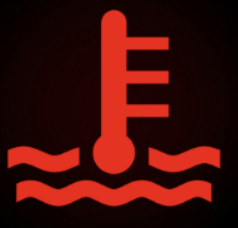

That symbol with the thermometer and lines means your engine is too hot. It is important to stop safely, turn off the engine, and let it cool down. Driving while it’s overheating can badly damage your engine and cost a lot to fix.
FAQs
Q1: What does a flashing check engine light mean?
A1: A flashing check engine light usually signals a serious engine misfire. Reduce speed and get your vehicle inspected immediately to avoid damage.
Q2: Is it safe to drive with the oil pressure light on?
A2: No. The oil pressure light indicates low oil pressure — driving can cause major engine damage. Stop safely and call a mechanic.
Q3: How long does a diagnostic scan take?
A3: Most modern diagnostic scans take 15–30 minutes, followed by a technician review and a recommended action plan.
Q4: Can a low battery cause the check engine light?
A4: Yes — low voltage can trigger engine codes. A full battery/charging system test will confirm the cause.
Final Thoughts
Knowing what your dashboard lights mean can save you from unexpected breakdowns and costly repairs. When a warning light comes on, don’t ignore it, just understand what your car is saying.

At Applewood Auto Care, we are here to take the stress out of car maintenance. Whether it’s a confusing light, a funny noise, or just time for a check-up, we treat your car like it’s our own.
Book online or give us a call, we are always happy to help.